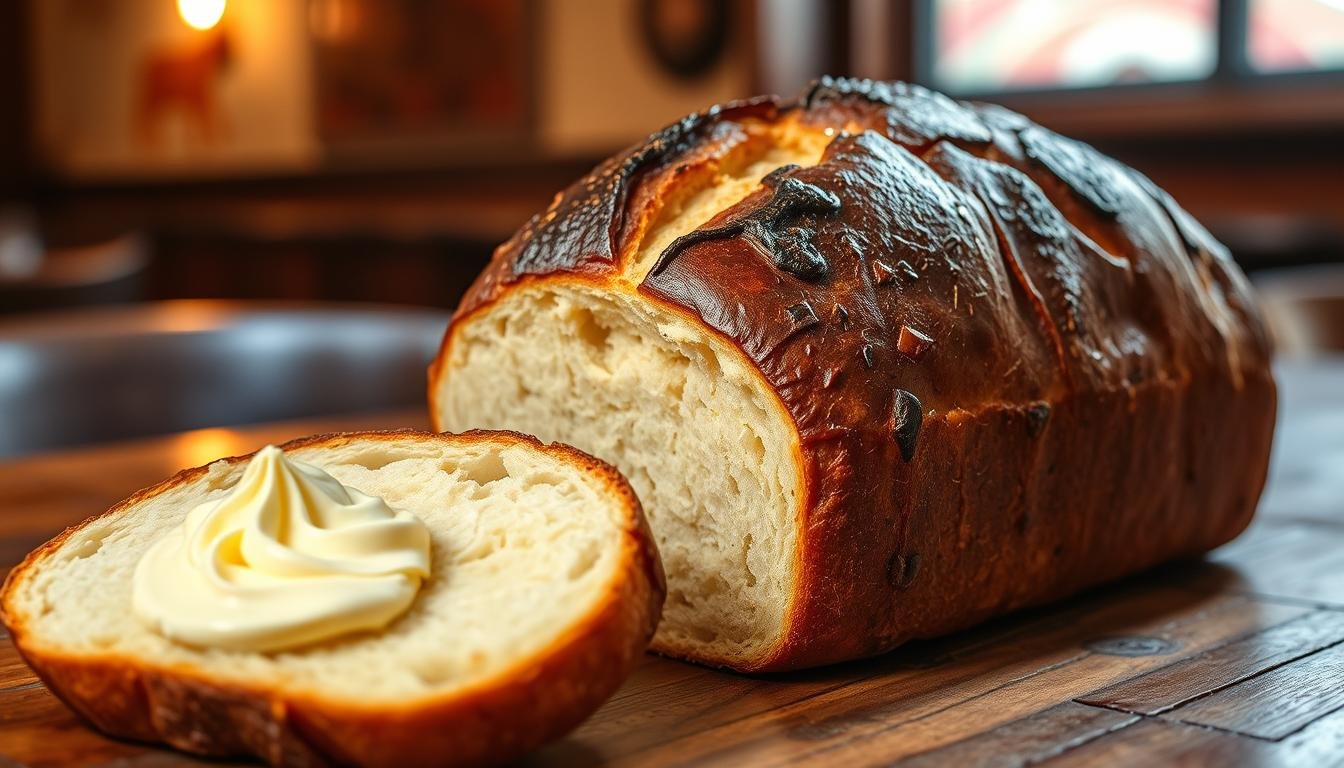
Outback Steakhouse Bread: Delicious Aussie-Inspired Loaf
Outback Steakhouse bread is a warm, honey-molasses wheat loaf. It’s what diners look forward to with every meal. Many home bakers want to make this bread themselves. They search for a recipe or a copycat version to get that tender crumb and sweetness.
Below is a quick reference table with common variations. It helps you compare portions, calories, and prices easily.
Item Name | Description | Calories | Price
Honey-Wheat Loaf (copycat homemade, 1 small loaf) | Sweet molasses and honey wheat loaf; tender crumb; cocoa for color | 728 kcal | N/A (homemade)
Outback Bread (restaurant reheated) | Frozen honey-wheat loaf reheated and served warm with butter | ~180 kcal per roll (estimate typical portion) | Free with meal; variable for takeout
Sweet Molasses Dinner Rolls (homemade, 1 roll medium) | Same dough shaped into rolls; soft, slightly sweet | ~120 kcal | N/A
Sweet Molasses Loaf (homemade single loaf) | Shaped into one loaf for slicing | ~728 kcal per small loaf | N/A
Vegan version (homemade) | Uses vegan honey or maple syrup and oil instead of butter | ~728 kcal per loaf (similar macros) | N/A
This introduction sets the stage for what’s to come. You’ll find a reliable outback bread recipe and tips on nutrition and reheating. The article will guide you through step-by-step instructions, ingredient swaps, and baking timings for perfect results.
What Makes the Outback Steakhouse Bread Iconic
The bread is known for its warm, sweet taste that guests love. It combines molasses with honey or maple syrup for a balanced sweetness. The dark molasses adds a richer flavor, while light molasses makes it milder.
Warm, sweet molasses and honey flavor profile
The bread’s flavor comes from a mix of molasses and sweeteners. This mix creates a delicious aroma and caramel taste after baking. Bakers say the sweeteners and yeast work together to add a tangy complexity.
Soft texture and signature brown color
The bread is soft with a slight chew, thanks to a mix of white and whole wheat flour. Cocoa powder darkens it without adding chocolate taste. A cornmeal dusting on top adds crunch and contrast.
| Item Name | Description | Calories | Price |
|---|---|---|---|
| Classic Loaf | Half white, half whole wheat loaf with molasses and honey notes | 220 per slice | $3.50 |
| Dinner Rolls | Small round rolls with cornmeal dusting and soft crumb | 110 per roll | $2.75 (3-pack) |
| Mini Loaves | Single-serve loaves for take-home, same flavor profile | 450 per mini loaf | $4.99 |
| Buttered Slice | Warm slice served with a generous pat of butter | 260 with butter | $1.50 |
| Honey-Butter Pair | Slice spread with a honeyed butter for extra sweetness | 280 per serving | $1.75 |
| Family Loaf | Larger loaf for groups, same recipe scaled up | 1800 whole loaf | $9.99 |
| Toasted Slice | Lightly toasted for sandwiches or melts | 230 per slice | $1.75 |
| Maple Variant | Maple syrup swap for honey, subtle flavor shift | 225 per slice | $3.75 |
| Whole Wheat Focus | Higher whole wheat ratio for nuttier texture | 210 per slice | $3.60 |
| Takeaway Pack | Preheated, wrapped loaf with butter packets | 220 per slice | $8.50 |
How restaurants serve it warm with butter to enhance taste
Restaurants reheat frozen loaves and serve them warm. The heat releases the molasses and honey aroma. Adding butter makes the bread even softer and more delicious.
History and origin of the Aussie-inspired loaf
The warm honey-wheat loaf at your table started as a brand-building move. Outback Steakhouse aimed to be Australian-inspired casual dining. They used the Bloomin’ Onion and free bread to create a welcoming atmosphere.
The bread’s origin is tied to keeping quality consistent across locations. Restaurants use off-site bakers to ensure flavor and texture are the same everywhere. They ship frozen loaves to restaurants for reheating.
Diners often feel an “Aussie” vibe from the loaf. Its honey and molasses, deep brown color, and rustic shape remind them of down-to-earth food. The term “Aussie-inspired” adds to the theme, not a traditional Australian recipe.
Reports and former employees talk about the bread’s supply chain. Restaurants keep frozen loaves in bulk. Then, they heat them up in ovens or warming units before serving.
| Item Name | Description | Calories | Price |
|---|---|---|---|
| Honey-Wheat Loaf (single) | Sweet, soft loaf with honey and molasses notes served warm | 320 per loaf | $3.99 |
| Mini Dinner Rolls (4) | Small, buttery rolls reheated from frozen for table service | 220 per serving | $2.49 |
| Family Loaf | Larger loaf for groups, same honey-wheat profile | 640 per loaf | $6.99 |
| Butter-Paired Plate | Warm loaf served with whipped butter on request | 50 per serving of butter | $0.99 |
| Toasted Sandwich Slice | Sliced and toasted for in-house sandwiches and melts | 160 per slice | $1.50 |
| Outback Bread Copycat Kit | Home baking kit with recipe to mimic restaurant loaf | varies by portion | $9.99 |
| Maple Variation | Loaf variant using maple syrup in place of some honey | 330 per loaf | $4.49 |
| Whole Wheat Upgrade | Higher whole-wheat content for a nuttier flavor | 300 per loaf | $4.29 |
| Mini Loaf Pack (3) | Three small loaves for sharing or gifting | 480 total | $5.99 |
| Butterless Vegan Option | Loaf prepared and reheated without dairy butter on request | 320 per loaf | $3.99 |
This brief history shows why the outback bread’s history and origin are linked to brand strategy. For those wanting to make it at home, focus on its sweet wheat flavor, brown color, and soft crumb. This way, you can recreate that special moment at home.
Outback Steakhouse Bread ingredients and typical recipe components
This passage breaks down the key components that give the loaf its warm color, tender crumb, and sweet, molasses-forward aroma. Home bakers who study these outback bread ingredients will find it easier to recreate the texture and flavor that diners expect.
The dry mix forms the loaf’s structure. Typical copycat mixes use about 2 1/4 cups all-purpose flour and 1 3/4 cups whole wheat flour. Two tablespoons of Dutch-processed cocoa powder deepen the brown hue without adding a chocolate taste. Instant yeast (about 1 1/2 teaspoons) and 1 1/2 teaspoons salt round out the dry ingredients.
Sweeteners and color agents shape the loaf’s signature profile. Two tablespoons of molasses supply most of the color and a slightly bitter backbone. Pair molasses with 1/4 cup honey or maple syrup to balance sweetness and add shine to the crust. Dark molasses yields a richer, less sweet finish while light molasses makes a milder, paler loaf.
Fats and hydration keep the crumb soft and tender. Add 2 tablespoons of neutral oil to the mix. Use lukewarm water, about 1 1/4 cups, to hydrate the dough and activate the yeast. Temperature matters: water too hot will kill yeast and water too cold slows the rise.
A light dusting or topping helps mimic restaurant texture. Cornmeal can be sprinkled on the baking sheet or on top of rolls to give a gritty, rustic bite. Butter is commonly used when serving the loaf warm in restaurants, though it is not required in the dough.
| Item Name | Description | Calories | Price |
|---|---|---|---|
| Classic Loaf (slice) | Soft slice with molasses and honey notes | 160 kcal | $0.75 |
| Dinner Roll | Small, tender roll dusted with cornmeal | 90 kcal | $0.45 |
| Mini Loaf | Individual loaf for sharing or gifting | 420 kcal | $3.50 |
| Buttered Slice | Warm slice brushed with butter | 210 kcal | $1.25 |
| Whole Wheat Blend Loaf | Higher whole wheat ratio for nutty flavor | 180 kcal | $4.25 |
| Molasses-Forward Slice | Stronger molasses taste and darker crust | 165 kcal | $0.80 |
| Cornmeal-Topped Roll | Textured top to mimic restaurant feel | 95 kcal | $0.50 |
| Oil-Rich Loaf | Added oil for a softer, moister crumb | 200 kcal | $4.75 |
| Honey-Sweet Slice | More honey for a brighter sweetness | 170 kcal | $0.85 |
| Copycat Outback Bread Kit | Pre-measured dry mix to bake at home | — (per slice varies) | $7.99 |
When testing a home version of the outback bread recipe, weigh ingredients for consistent results. Small changes to molasses, cocoa, or water will shift color and crumb more than changes to flour ratios. This makes it easy to tailor a copycat outback bread to your taste.
Copycat Outback bread recipes for home bakers
This guide shows you how to make a copycat Outback bread at home. It has a soft crumb and a sweet, molasses-tinted crust. You can follow a basic formula, try substitutions, and shape it into rolls, loaves, or breadsticks.
Start by mixing equal parts all-purpose and whole wheat flour. Then, combine dry ingredients like flour, cocoa powder, yeast, and salt. Whisk together wet ingredients like warm water, oil, molasses, and honey or maple syrup. Knead the dough until it’s smooth and slightly sticky.
The dough will rise in about 1.5 hours at room temperature. After punching it down, shape it into four small loaves or other shapes. Let it rise again for 40 minutes. Bake at 350°F for 30–35 minutes until the tops are firm and the inside is about 190°F.
For diet or pantry adjustments, try these substitutions. Use vegan honey or maple syrup instead of honey. Dark corn syrup can replace molasses for a milder flavor. Stick to cocoa powder for the right color; avoid chocolate drink mixes.
Choosing the right flour is important. All-purpose flour gives a tender crumb. Bread flour makes it chewier. But, don’t use 100% whole wheat without adding more liquid for a denser loaf.
Shaping and variations let you match the bread to your meal. For dinner rolls, divide the dough into 8 to 18 pieces after the first rise. Shape into tight balls. For a single loaf, press four shaped pieces into a loaf pan or roll the full dough into a cylinder. For mini loaves, portion the dough smaller and bake for 10–15 minutes less.
| Item Name | Description | Calories | Price |
|---|---|---|---|
| Small Loaf (copycat) | Soft, slightly sweet loaf using half AP and half whole wheat | 220 per slice | $1.20 per loaf equivalent |
| Dinner Roll | Pull-apart rolls with tender crumb, brushed with butter | 90 per roll | $0.25 per roll |
| Single Loaf | Traditional sandwich-shaped loaf, soft interior | 200 per slice | $1.50 per loaf equivalent |
| Mini Loaf | Small individual loaf for gifting or lunches | 150 per mini slice | $0.80 each |
| Outback Breadsticks | Long thin shapes from same dough, crispier edges | 75 per stick | $0.30 per stick |
| Vegan Version | Uses oil and maple syrup for non-dairy option | 210 per slice | $1.30 per loaf equivalent |
| Cornmeal-Topped | Loaf with coarse cornmeal on top for crunch | 225 per slice | $1.35 per loaf equivalent |
| Chewier Bread (bread flour) | Bread flour swap for more bite and chew | 230 per slice | $1.40 per loaf equivalent |
| Whole Wheat-Forward | Higher whole wheat ratio for nuttier flavor | 240 per slice | $1.10 per loaf equivalent |
| Low-Sugar Variant | Reduce molasses and honey for milder sweetness | 195 per slice | $1.25 per loaf equivalent |
Here’s a simple step list for quick reference:
- Measure 50% all-purpose, 50% whole wheat flour.
- Mix flour, 2 tbsp cocoa, 2 tsp instant yeast, 1 tsp salt.
- Stir in 1 1/4 cups lukewarm water, 2 tbsp oil, 2 tbsp molasses, 1-2 tbsp honey or maple.
- Knead 8–10 minutes until smooth; rise 1.5 hours.
- Shape, rise 40 minutes, bake 350°F for 30–35 minutes.
Try small changes to find your favorite flavor and texture. These methods let you make dinner rolls, a single loaf, mini loaves, or classic outback breadsticks at home.
Step-by-step baking process and expert tips
This guide will help you make a copycat Outback bread at home. Follow the steps for consistent results. Use the outback bread baking tips to avoid common mistakes.
Start by mixing dry ingredients, then add wet ingredients. Stir until a dough forms. Use a stand mixer to knead for 8–10 minutes on low with the dough hook. If kneading by hand, it takes 12–15 minutes to get the dough elastic.
Proofing is key for texture and flavor. For the first rise, place the dough in a greased bowl, cover, and set in a warm spot until doubled, about 1.5 hours. For shaped loaves, let a second rise of roughly 40 minutes until puffy and nearly doubled. Use lukewarm water and room-temperature ingredients to help yeast wake up.
Preheat the oven to 350°F. Bake small loaves 30–35 minutes until the crust is deep brown and an instant-read thermometer reads about 190–200°F. Let loaves cool 20 minutes before slicing so the crumb finishes setting. For storage, keep bread in an airtight container or sealed bag for 4–5 days. To freeze, cool completely and place in freezer-safe bags for up to 3 months. Reheat in a 300°F oven for 5–10 minutes or until warmed through.
For tweaks, reduce molasses slightly for a milder sweet note, brush tops with butter for a softer crust, and dust cornmeal on pans to mimic restaurant texture. When trying a copycat outback bread, maintain consistent kneading and proofing times for best rise and crumb.
| Item Name | Description | Calories | Price |
|---|---|---|---|
| Small Loaf | Half-wheat, half-white loaf with molasses and honey notes | 210 per slice | $3.50 |
| Dinner Rolls (4) | Soft, slightly sweet rolls brushed with butter | 160 per roll | $4.00 |
| Mini Loaves (2) | Compact loaves for gifting or freezing | 180 per slice | $5.00 |
| Single Large Loaf | Classic loaf for family meals | 200 per slice | $6.50 |
| Butter-Glazed Loaf | Top brushed with melted butter after baking | 220 per slice | $6.75 |
| Whole Wheat Variant | Higher whole-grain content, nuttier flavor | 195 per slice | $6.00 |
| Honey-Forward Loaf | More honey for a sweeter profile | 215 per slice | $6.25 |
| Cornmeal-Topped Loaf | Textured crust with light cornmeal dusting | 205 per slice | $6.00 |
| Frozen Par-Baked | Part-baked loaves for finishing at home | 190 per slice | $5.50 |
| Gluten-Reduced Blend | Lower-gluten flours with support gums | 185 per slice | $7.00 |
| Items | Vegan | Keto-Friendly | Gluten-Free | Allergens (Nuts, Dairy, etc.) |
|---|---|---|---|---|
| Small Loaf | No | No | No | Dairy (butter), Wheat |
| Dinner Rolls (4) | Optional (use oil) | No | No | Dairy (butter), Wheat |
| Mini Loaves (2) | Optional | No | No | Dairy, Wheat |
| Single Large Loaf | Optional | No | No | Dairy, Wheat |
| Butter-Glazed Loaf | No | No | No | Dairy, Wheat |
| Whole Wheat Variant | Optional | No | No | Wheat |
| Honey-Forward Loaf | No (honey) | No | No | Wheat |
| Cornmeal-Topped Loaf | Optional | No | No | Wheat |
| Frozen Par-Baked | No | No | Some options | Dairy, Wheat |
| Gluten-Reduced Blend | Optional | No | Partial (not fully GF) | Wheat alternatives, possible dairy |
For home bakers aiming to reproduce an outback bread recipe, timing and temperature control make the biggest difference. Keep these practical steps and the copycat outback bread notes close while you bake.
Outback bread nutrition and calories
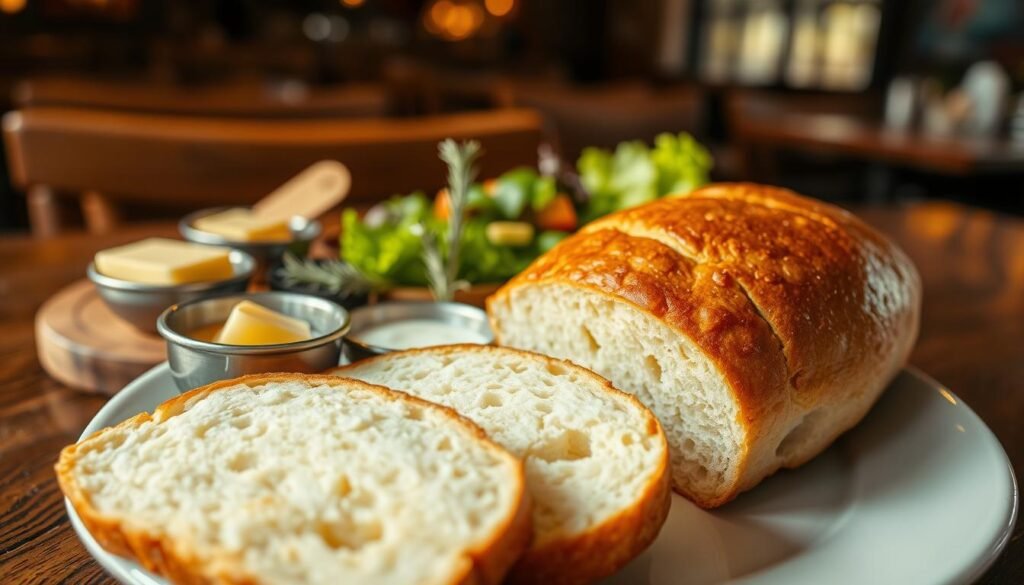
The energy and nutrition profile of the Aussie-inspired loaf matters whether you bake at home or enjoy a warm roll at the restaurant. Below is a clear example of nutrition facts based on a typical homemade small loaf and guidance on how ingredient choices shift values.
| Item Name | Description | Calories | Price |
|---|---|---|---|
| Small homemade loaf | Single small loaf from copycat recipe (yields one loaf) | 728 kcal | $2.50 (est.) |
| Single restaurant roll | Individual roll served warm with butter | 120–200 kcal | $0.75–$1.50 (est.) |
| Half-loaf portion | Home portion equal to half the small loaf | 364 kcal | $1.25 (est.) |
| Mini loaf (3 mini loaves) | Smaller loaves for portion control | ~240 kcal each | $1.00 (est.) |
| Loaf with added butter | Slice plus 1 tbsp of butter | ~220–260 kcal | $0.30–$0.50 (est.) |
| Items | Vegan | Keto-Friendly | Gluten-Free | Allergens (Nuts, Dairy, etc.) |
|---|---|---|---|---|
| Small homemade loaf | No (contains honey/molasses) | No (high carb) | No (wheat flours) | Wheat, may contain dairy if butter used |
| Restaurant roll | No (honey in some recipes) | No (high carb) | No (wheat) | Wheat, dairy from butter |
| Vegan-adapted loaf | Yes (maple syrup, oil) | No | No | Wheat |
| Whole wheat loaf | Possible | No | No | Wheat |
| Bread with cornmeal topping | Possible | No | No | Wheat, possible cross-contact |
| Gluten-free version | Possible | No | Yes (with GF flours) | Depends on flours used; check labels |
| Loaf with added seeds | Yes | No | No | Seeds; check for cross-contact with nuts |
| Loaf with dairy butter | No | No | No | Dairy, wheat |
| Low-sugar adapted loaf | Possible | No | No | Wheat |
| High-fiber whole grain | Possible | No | No | Wheat |
Example nutrition for the copycat small loaf: about 728 kcal per loaf. Macronutrients per loaf approximate: carbohydrates ~145g, protein ~18g, fat ~10g with saturated fat ~1g. Sodium is near 894mg. Fiber runs about 11g and sugar around 29g. Use these figures to scale servings.
Macronutrient breakdown helps you plan meals. Carbs provide most of the calories. Protein is modest. Fat is low unless you add butter. Fiber from whole wheat raises satiety and slows glucose spikes.
Ingredient swaps change the math. Cutting molasses lowers added sugars and reduces trace minerals that molasses provides. Replacing molasses with maple syrup keeps sweetness but lightens color and shifts flavor notes.
Substituting some all-purpose flour with bread flour can increase gluten strength and protein, producing a chewier crumb. Using more whole wheat raises fiber and micronutrients while increasing density and slightly altering calories per slice.
Restaurant portions differ from homemade loaves. Single rolls typically run 120–200 kcal each depending on size and whether butter is included. Takeout loaves vary by location and packaging.
Track outback bread calories, outback bread nutrition, and outback bread ingredients when adapting recipes for dietary goals. Small swaps yield meaningful differences in texture, flavor, and nutrient totals.
Dietary considerations: gluten, vegan, and allergy-friendly options
For those who need to make dietary changes, there are ways to enjoy a similar taste to Outback-style loaf. It’s important to understand how gluten, honey, butter, and common allergens affect the loaf’s texture and taste. Below are practical options and clear trade-offs for home bakers and diners.
| Item Name | Description | Calories | Price |
|---|---|---|---|
| Classic Aussie-Inspired Loaf | Molasses and honey sweetened, soft crumb, cornmeal top | 220 per slice | $3.50 (homemade estimate) |
| Gluten-Free Blend Loaf | Mixed rice, sorghum, and tapioca with xanthan; denser texture | 200 per slice | $4.20 (GF flour cost) |
| Vegan Honey-Style Loaf | Maple or vegan honey, oil instead of butter; soft and moist | 210 per slice | $3.70 (plant-based swap) |
| Reduced-Sugar Version | Less molasses and honey; milder color and sweeter notes | 170 per slice | $3.30 |
| Wheat-Free Commercial Mix | Ready-made gluten-free mixes tailored to loaf pans | 195 per slice | $4.50 |
| Items | Vegan | Keto-Friendly | Gluten-Free | Allergens (Nuts, Dairy, etc.) |
|---|---|---|---|---|
| Classic Loaf | No | No | No | Wheat, Dairy (butter served) |
| Gluten-Free Blend Loaf | Optional (use oil) | No | Yes | May contain soy; check packaging |
| Vegan Honey-Style Loaf | Yes | No | Optional | Dairy-free if vegan butter omitted |
| Reduced-Sugar Version | Optional | No | Optional | Wheat unless swapped |
| Wheat-Free Commercial Mix | Depends on mix | No | Yes | Varies; often processed in mixed facilities |
| Seeded Variation | Yes | No | Optional | May contain sesame or sunflower seeds |
| Mini Dinner Rolls | Yes if vegan recipe used | No | Optional | Wheat by default |
| Bread Machine GF Loaf | Yes if ingredients chosen | No | Yes | Check for cross-contact warnings |
| Lower-Molasses Loaf | Optional | No | Optional | Wheat unless substituted |
| Oil-Brushed Dinner Loaf | Yes | No | Optional | Dairy-free when vegan |
Gluten-free possibilities and challenges
Making an outback bread gluten free version needs a special flour blend. Use rice flour, sorghum, and tapioca with xanthan gum or psyllium husk to mimic gluten’s stretch. Expect a denser crumb and altered rise behavior.
Hydration and proofing times must be adjusted. Gluten-free doughs absorb liquids differently and rise less predictably. Tests with loaf pan sizes and baking times help achieve consistent results.
Vegan swaps that work
The restaurant loaf is not vegan by default. Swap honey with maple syrup or a commercial vegan honey substitute. Replace butter with neutral oil or vegan butter for the dough and for brushing after baking.
Many bakers report success with an outback bread vegan formula that uses vegan honey and oil without artificial coloring. The loaf stays moist and keeps the warm, sweet flavor profile.
Allergen notes and wheat-free tips
Main allergens are wheat and gluten. The standard recipe contains no nuts unless added or introduced by cross-contact. Butter used in service introduces dairy; skip it or use vegan butter when needed.
For wheat-free approaches, choose reputable commercial gluten-free bread blends and follow package guidance for pan volumes and times. Reduce sugar by cutting molasses or honey; this will affect color and depth of flavor, but will lower calories and sweetness.
- Test small batches when switching to gluten-free or vegan ingredients.
- Label ingredients clearly if serving guests with allergies.
- When buying mixes, check for facility processing notes to confirm outback bread allergy friendly status.
These swaps let you approximate the signature loaf while addressing dietary needs. With careful ingredient choices and attention to texture, you can create a satisfying alternative that keeps the familiar molasses-honey warmth.
Outback bread dipping sauce and serving ideas
Start with warm slices of the Aussie-inspired loaf and a simple spread. A soft pat of melted butter highlights the loaf’s molasses notes. For a sweeter twist, blend butter with honey or maple to make a honey-butter that mirrors the restaurant style.
For an outback bread dipping sauce, try a compound butter with rosemary and garlic. Mix room-temperature butter with minced garlic, chopped rosemary, and a pinch of sea salt. Olive oil with cracked pepper and a dash of balsamic makes a sharp counterpoint to the loaf’s sweetness. A warm honey-butter served in a small ramekin invites guests to tear and dip.
Savory pairings for meals
The dense, slightly sweet loaf stands up to bold mains. Pair slices with beef stew, chili, or New England chowder to balance spicy and savory flavors. Use thicker slices for steakhouse-style sandwiches with roast beef and sharp cheddar. For a built picnic tray, include outback breadsticks alongside sliced loaf to add variety in texture.
Creative serving suggestions
Toast thin slices and top with jam or cream cheese for breakfast. Make melts by layering roast beef and aged cheddar, then broiling until the cheese bubbles. Shape dough as mini rolls for portable picnic sandwiches that reheat well. Rewarm slices in a 350°F oven for 5–7 minutes to restore softness and improve spreadability.
| Item Name | Description | Calories | Price |
|---|---|---|---|
| Warm Butter Ramekin | Melted salted butter for dipping | 110 per tbsp | $0.75 |
| Honey-Butter | Butter blended with honey or maple | 95 per tbsp | $1.25 |
| Garlic-Rosemary Compound | Herbed butter with fresh garlic | 100 per tbsp | $1.50 |
| Olive Oil & Balsamic | Extra virgin oil with aged balsamic | 120 per tbsp | $1.00 |
| Steakhouse Sandwich | Roast beef, cheddar on sliced loaf | 620 per sandwich | $9.50 |
| Chowder Side | Sliced loaf served with clam chowder | 220 per serving | $3.50 |
| Toast & Jam | Toasted slice with fruit jam | 180 per serving | $2.25 |
| Mini Picnic Rolls | Small rolls for sandwiches | 150 per roll | $0.95 |
| Outback Breadsticks | Thin, crisp sticks for dipping | 85 per stick | $1.10 |
| Cheddar Melt | Toasted slice with melted cheddar | 340 per serving | $4.75 |
| Items | Vegan | Keto-Friendly | Gluten-Free | Allergens (Nuts, Dairy, etc.) |
|---|---|---|---|---|
| Warm Butter Ramekin | No | No | No | Dairy |
| Honey-Butter | No | No | No | Dairy |
| Garlic-Rosemary Compound | No | No | No | Dairy |
| Olive Oil & Balsamic | Yes | Yes | Yes* | None |
| Steakhouse Sandwich | No | No | No | Dairy, Wheat |
| Chowder Side | No | No | No | Dairy, Shellfish |
| Toast & Jam | Yes | No | No | Wheat |
| Mini Picnic Rolls | No | No | No | Wheat, Dairy |
| Outback Breadsticks | No | No | No | Wheat |
| Cheddar Melt | No | No | No | Dairy, Wheat |
- Reheat for best texture: 5–7 minutes at 350°F.
- Serve sauces warm for easier dipping and spreadability.
- Pair the loaf with bold flavors like sharp cheddar or smoky roast beef.
- Offer a trio of dips: honey-butter, garlic-herb butter, and olive oil with balsamic.
- Cut a mix of thick and thin slices so guests can choose sandwich or dip portions.
- Pack mini rolls flat in a picnic box to avoid crushing during travel.
These outback bread serving ideas keep preparation simple and let the loaf’s flavor shine. Use the dipping sauce options and pairing tips to match the loaf with soups, steaks, sandwiches, and casual gatherings.
Conclusion
Outback Steakhouse bread is loved for its warm honey-molasses taste and soft texture. It’s served warm, which adds to its charm. The bread’s brown color and sweetness come from molasses, cocoa, and a mix of flours.
Restaurants ensure a consistent taste by reheating frozen loaves. This way, every bite is as comforting as the last.
Home bakers can make a similar bread using a mix of white and whole wheat flour. Molasses adds sweetness and color. The recipe in this article guides you through ingredient ratios, proofing times, and baking temperatures.
For those with dietary restrictions, maple syrup or agave can replace honey. Use oils or vegan butter instead of dairy. Adjust the sweeteners to make it less sweet while keeping it tender.
Store cooled loaves in foil or freeze them for later. Reheat gently to bring back that warm, fresh taste.
Whether you’re making it for a family dinner or a weekend project, the steps here are designed to be easy and tasty. Tailor the recipe to your taste and kitchen with the tips and substitutions provided.